
Original photo by Eric Han/ Unsplash

Cats and humans have coexisted for thousands of years. In fact, this mutually beneficial relationship emerged between 10,000 and 15,000 years ago, when humans transitioned from hunting and gathering to farming. They needed help controlling rodent populations in their crops, and cats found a steady food source in field mice. 

This was the start of a beautiful human-animal camaraderie, a bond that eventually grew so strong some humans have even been buried with their furry pals. One of the earliest known human-cat burials was discovered in a 9,500-year-old grave in Cyprus (where cats are not native), highlighting their early domestication.

Since then, cats have become beloved companions, now living in more than 30% of U.S. households. Despite their popularity, there’s still much to discover about our feline friends, from deciphering their signature “meows” to revealing instincts inherited from their wild ancestors. Here are eight fascinating facts about cats.

Credit: Byrdyak/ iStock

They’re Divided Into Two Categories: Roarers and Purrers

The Felidae family, comprising all 37 species of felines, is divided into two subfamilies: Pantherinae (commonly known as the “big cats”), which includes lions, tigers, and leopards; and Felinae, which encompasses smaller species such as cougars, bobcats, and domestic cats. Cats within the Pantherinae family roar, while members of the Felinae family purr.

Those vocal differences are due to structural variations in and around the vocal cords. Felinae species have an extra layer of fatty tissue that allows their vocal cords to vibrate at low frequencies, producing a purr. By contrast, Pantherinae cats have tough cartilage at the base of their throats, which prevents purring but gives the larynx the flexibility needed to produce a roar. A lion’s roar measures around 114 decibels — far louder than the average housecat’s 25-decibel purr.
Credit: vladans/ iStock

They Meow Mainly To Communicate With Humans

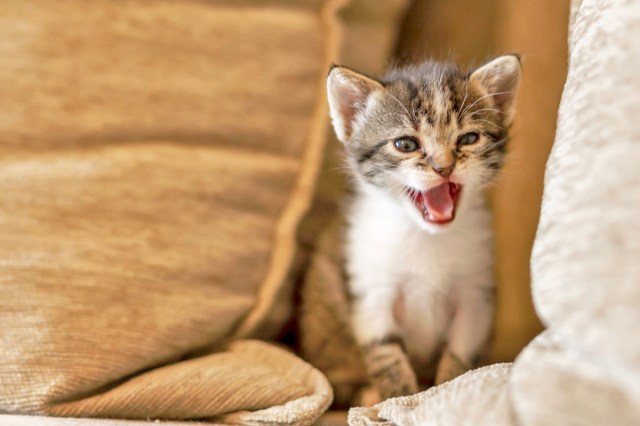
Domestic cats meow for many reasons — to greet, complain, or request — but interestingly, they primarily do it only around humans. This behavior originates in kittenhood, when young cats meow to get their mother’s attention. As they grow, they take this behavior into adulthood but repurpose it to interact with their human companions.

Animal behavior psychologist Dr. John Wright explained in an interview with Live Science that cats use vocal communication to manipulate their humans. Cats choose meowing over other forms of interaction because humans’ senses aren’t as finely tuned as theirs, meaning we can’t communicate as easily through smell or touch; their meowing elicits the greatest response from us.

Different meows serve different purposes. For example, a short, high-pitched “meow” may be a simple greeting, while a longer, more urgent “mrroooow” may signal hunger or danger. And domestic cats aren’t the only species that use meowing to communicate: Larger cats such as snow leopards, cheetahs, cougars, and even lion cubs also meow occasionally, mostly to locate each other or, in the case of young cats, to request food or affection.

Credit: Dennis Frates/ Alamy Stock Photo

There Are 73 Recognized Cat Breeds

The International Cat Association (TICA) is a genetic registry for pedigreed cats and is one of the world’s largest sanctioning bodies for cat shows. As of 2025, TICA officially recognizes 73 breeds of domestic cats, each with unique characteristics, mannerisms, and aesthetics, from the ancient Abyssinian breed to the water-loving Turkish Van.

One of the newest recognized breeds is the Highlander, a cross between the Desert Lynx (bred to resemble a bobcat) and the Jungle Curl (known for its curled ears). Weighing between 10 and 20 pounds, this muscular breed is playful and affectionate, boasting the size of its wild ancestors without their aggression.

Credit: Hakase_. iStock

The “Beckoning Cat” Brings Good Luck in Japan

Often depicted as a white or calico cat with one paw raised, the maneki-neko (“beckoning cat”) is a popular Japanese figurine believed to bring good fortune or prosperity. In stark contrast to Western superstition, even black maneki-neko are considered lucky in Japan.

There are various origin stories, but one popular legend hails from Tokyo’s Gōtokuji Temple during the Edo period (1603 to 1868). According to temple historians, a feudal lord was saved from being struck by lightning by a cat named Tama, who beckoned him into the safety of the temple just in time. In gratitude, the lord made the cat a temple patron. Today, thousands of maneki-neko statues are displayed in Tama’s honor.
Credit: Janina Delissen/ iStock

All But One Species Have Retractable Claws 

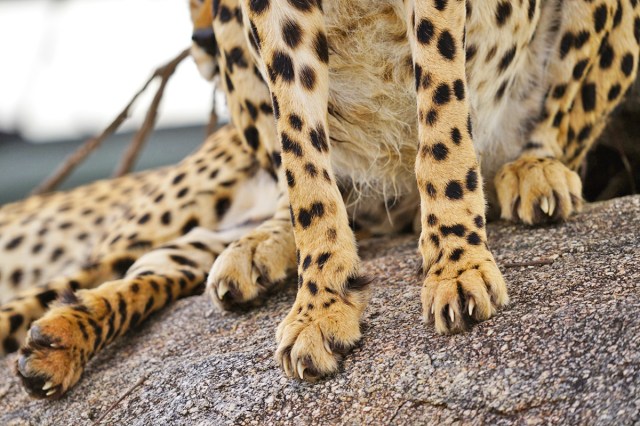
Retractable claws are a defining feature of most cat species. When unsheathed, claws are valuable tools for defense and hunting. Both big and small cats — from lions to housecats — share this trait. However, one species breaks the mold: the cheetah.

Cheetahs have semi-retractable claws that remain at least partially extended at all times, similar to those of dogs. Their claws are also somewhat blunt, providing better grip and traction, akin to an athlete’s cleats. This helps cheetahs achieve speeds of more than 70 mph. Their unique paw pads (which are hard like rubber) and long tails also aid in maneuverability while sprinting.

Credit: EyeEm Mobile GmbH/ iStock

Housecats Are Crepuscular

Domestic cats are active at dawn and dusk, making them crepuscular animals. This natural rhythm helps explain the daytime napping habits of housecats, which sleep an average of 10 to 13 hours a day, conserving energy for their instinctual “hunt” during twilight hours. This habit is the result of millions of years of evolution. 

In the wild, other species of cats also exhibit crepuscular or nocturnal behaviors, depending on their environment and hunting patterns. For instance, leopards are typically nocturnal and do most of their hunting at night.

Cats have evolved to thrive in low-light conditions; they require a mere one-sixth of the illumination levels humans need to see well. Moreover, their distinctly shaped pupils dilate up to 135 times their smallest size, maximizing light intake. Cats’ eyes also feature a layer of cells behind the retina called the tapetum lucidum, which reflects ambient light, further enhancing night vision and giving cats their iconic “glowing” eyes in the dark. 
Credit: Bogdan Kurylo/ iStock

They Spend up to 50% of Their Time Doing This One Thing

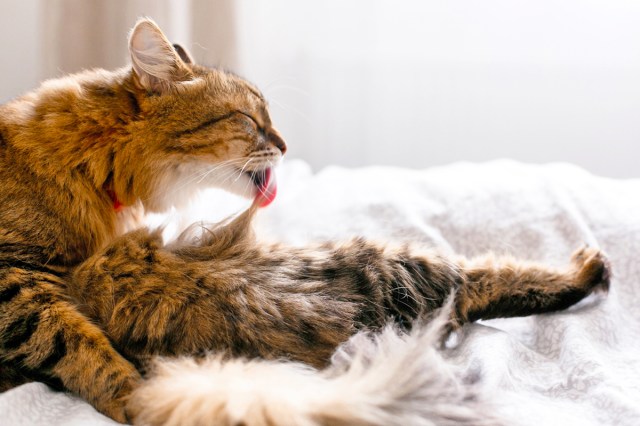
Domestic cats spend up to half their waking hours grooming themselves, a behavior that has both health and social benefits. Their barbed tongues clean away dirt, dust, dead skin cells, and other debris, which is why cats generally don’t need to be bathed by their owners. Undomesticated cats frequently groom themselves as well, because it removes odors that could attract predators in the wild.

Grooming also plays a key role in cats’ social behaviors. They often groom each other in a bonding behavior known as “allogrooming,” which is observed in many mammalian species, including chimpanzees. You may even find your cat licking you — not just for attention, but as a sign of affection. As a bonus, grooming is soothing for cats, helping them self-regulate stress after experiences such as visits to the veterinarian or time away from their human companions.
Credit: Fine Art/ Corbis Historical via Getty Images

Ancient Egyptians Mummified Their Cats

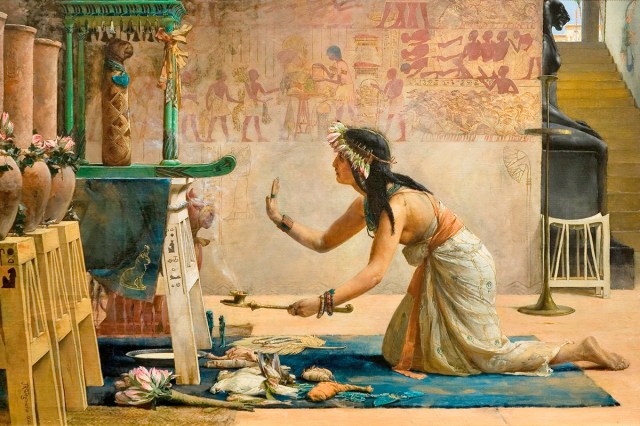
Cats have held a sacred place in human culture for millennia, and perhaps the best example of this is in ancient Egypt. What began as a practical alliance to protect grain stores evolved into spiritual reverence. Cats played many roles in ancient Egypt, serving as companions, protectors, and even divine beings. Many Egyptians viewed cats as talismans of good fortune, and some believed they were vessels gods chose to inhabit, as seen with the cat-headed goddess Bastet.

Cats were so cherished in ancient Egypt that humans chose to take them along to the afterlife as mummified companions. Evidence of their significance is found in tombs around Egypt, often alongside mummified mice as offerings for the cats. This practice reflected the Egyptian belief that the tomb was one’s eternal home in the afterlife, and for many, no home was complete without a cat.

Rachel Gresh
Writer

Rachel is a writer and period drama devotee who's probably hanging out at a local coffee shop somewhere in Washington, D.C.

Original photo by MIKHAIL BATURITSKII/ Adobe Stock

If you look at the anatomy of a wine bottle, you’ll typically see eight parts. From top to bottom, we have the closure (the cork or screw cap), capsule (the thin metal sheet that wraps around the closure), neck, shoulder, body, label, heel (the part that makes contact with the table), and finally, the punt. 

That last element is arguably the most curious. The punt is the indentation in the bottom of the bottle, found on wines across the world. Bottles have been designed with punts for centuries, and today some have deep, pronounced punts, some have shallow ones, and some have none at all. But why exactly does the punt exist, and does it serve any practical function?

Credit: OlegDoroshin/ Adobe Stock

A Necessity of Glassblowing

Before the Industrial Revolution and rise of mass production, all wine bottles were crafted individually by skilled glassblowers. During this process, the glassblower would attach a metal rod called a pontil (or punty) to the bottom of the bottle to manipulate and shape the glass. When the blowing process was complete, the pontil was removed, but it often left behind a sharp, jagged scar known as a pontil mark. 

That protrusion could make the bottle unstable and at risk of scratching a table surface or causing the bottle to break. So glassblowers pushed the pontil mark up into the bottle, making sure the container could stand upright with no sharp points on the bottom. This practice created the punt, which is still found on bottles centuries later. 

Credit: Michal Böhm/ iStock

Structural Integrity 

While glassblowing techniques can explain the punt’s original presence, they don’t explain why machine-manufactured bottles still have these indents today. One explanation is they add to a bottle’s structural integrity, making the glass less likely to break when knocked against something or dropped. The Romans were famously fond of using arches in their aqueducts and bridges because they knew arches add strength by distributing weight through compression — and the indent in the bottom of a wine bottle is itself an arch.

Adding structural integrity to a bottle is particularly important for sparkling wines such as Champagne or prosecco. According to Wine Spectator, the pressure per square inch inside a bottle of bubbly is somewhere around 70 to 90 pounds — about double to triple the pressure in a car tire. The curved surface of the punt helps the bottle withstand this pressure without exploding, acting just like arches do in architecture to help distribute forces more evenly in the bottle. 

Credit: LuisRal/ Adobe Stock

Settling Sediment 

While it may only be a happy coincidence rather than an intentional design choice, the punt also helps filter the sediment that may be present in natural red wines, older bottles of red, and vintage ports. The indent at the bottom of the bottle allows sediment to settle evenly, collecting in a ring around the base rather than forming a flat layer on the bottom. This makes it easier for sommeliers and oenophiles (the fancy name for wine aficionados) to pour their wine while leaving the sediment behind. 

Credit: Natalya Shcherbatyuk/ iStock

Modern Marketing

While punts continue to serve some practical purposes, their persistence in modern winemaking may have just as much to do with tradition and consumer perception. The depth of the indentation is often seen as a sign of quality and craftsmanship due to perceived links with traditional, high-end, and vintage wines. Some consumers — perhaps subconsciously — therefore associate a pronounced punt with a higher-quality product.

There may also be more advanced marketing trickery in play. A larger punt means more glass, which makes the bottle heavier, which again can be subconsciously connected with a higher-quality product. Having a more pronounced punt can also make the bottle appear larger, and if a potential buyer is comparing two bottles and one looks slightly larger, they may be more inclined to go with that one — despite both bottles being clearly labelled as 750 ml of wine. 

Tony Dunnell
Writer

Tony is an English writer of nonfiction and fiction living on the edge of the Amazon jungle.

Original photo by DieterMeyrl/ iStock

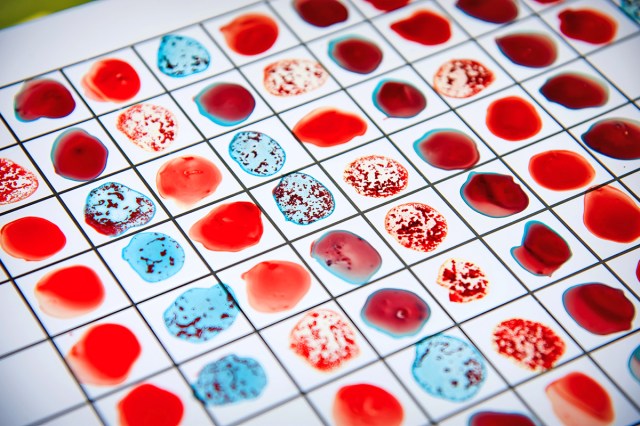
In 1901, the Austrian immunologist and pathologist Karl Landsteiner made a breakthrough discovery: He found there were four major blood groups, which he classified in his ABO blood type system. Prior to his discovery, blood transfusions were incredibly risky and often fatal. Early attempts, including animal-to-human transfusions, frequently resulted in severe adverse reactions and were eventually banned across much of Europe. 

Some human-to-human transfusions were successful, but not consistently, and doctors struggled to understand why. Landsteiner’s work cracked the code, making safe blood transfusions possible for the first time in history — an achievement for which he received the Nobel Prize in 1930.

Today, blood typing saves millions of lives. But what exactly is the science behind it, and what do the different blood types mean? 

Credit: Kittisak Kaewchalun/ iStock

How Are the Eight Blood Types Different?

Our blood is made up of red blood cells, white blood cells, and platelets in a liquid called plasma. Our blood type, also known as our blood group, is determined by special proteins called antigens that sit on the surface of red blood cells. Landsteiner discovered that the nature of those antigens differs between people and that four main blood groups exist, which he defined as the ABO system. 

If you have type A blood, your red blood cells carry A antigens. Type B blood has B antigens and type AB has both A and B antigens. Type O blood, meanwhile, has neither A nor B antigens. But the classification doesn’t end there. 

In 1940, Landsteiner and his colleague A.S. Weiner discovered a second significant blood group factor based on the presence or absence of the Rh antigen, often called the Rh factor, on the cell membranes of red blood cells. Your blood type is classified as positive (+) if the Rh factor is present in your blood and negative (-)  if it’s absent. Taken together, this creates the eight common blood types: A positive, A negative, B positive, B negative, AB positive, AB negative, O positive, and O negative.

Credit: goc/ iStock

What Determines Your Blood Type?

Everyone inherits their blood type from their parents, just like eye color, height, handedness, and freckles. Blood types follow simple inheritance rules: Each parent gives you one blood type gene, and the combination determines your blood type. The genes for A and B blood types are codominant — in other words, they dominate equally — while the gene for blood type O is recessive. 

So if you inherit an A gene from one parent and an O gene from the other, you’ll have Type A blood because A is stronger. You need two O genes (one from each parent) to have Type O blood. If you receive both A and B genes, you’ll have Type AB blood since both are equally strong. 

Globally, the most common blood type is O positive, with more than a third of the population sharing it, followed by A positive. The rarest of the standard blood types are AB positive (2% of the population) and AB negative (1%), which can make finding a match difficult in some cases.

Rh status is also inherited from our parents, albeit separately from our blood type. If you inherit the dominant Rh antigen from one or both of your parents, then you’re Rh-positive (about 85% of the population). If you don’t inherit the Rh antigen from either parent, then you’re Rh-negative — and therefore your blood type will be negative. 

Credit: vgajic/ iStock

The Universal Donor

Blood type compatibility is crucial for enabling safe medical procedures. Before the discovery of blood types, blood transfusions that weren’t a match could result in clumping, or agglutination, of red blood cells. Those clumps could block small blood vessels throughout the body, depriving tissues of oxygen and nutrients, causing numerous problems and even fatality. 
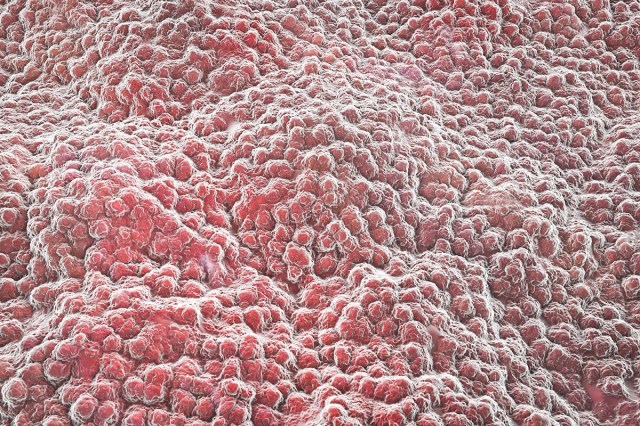
Receiving blood from the wrong ABO group can be life-threatening because antigens present on red blood cells can trigger an immune response if they’re not compatible. For example, if someone with group B blood is given group A blood, their anti-A antibodies will attack the group A cells. 

The exception to this is type O, as those red blood cells don’t have any A or B antigens. Type O negative, specifically, can safely be given to any other blood type because it’s compatible with all groups. This is why people with O negative blood are considered “universal donors” (in the U.S., only about 7% of the population are O negative) and also why, during medical emergencies when the blood type is not immediately known, doctors will often use O negative blood. 

Conversely, people with O positive blood can only receive transfusions from O positive or O negative blood types, because their anti-A and anti-B antibodies would attack any donor blood with A or B antigens. The only blood type that can receive blood from any other type is AB positive, which is therefore known as the universal recipient.   

Tony Dunnell
Writer

Tony is an English writer of nonfiction and fiction living on the edge of the Amazon jungle.

Original photo by Rolf Schmidbauer/ Unsplash

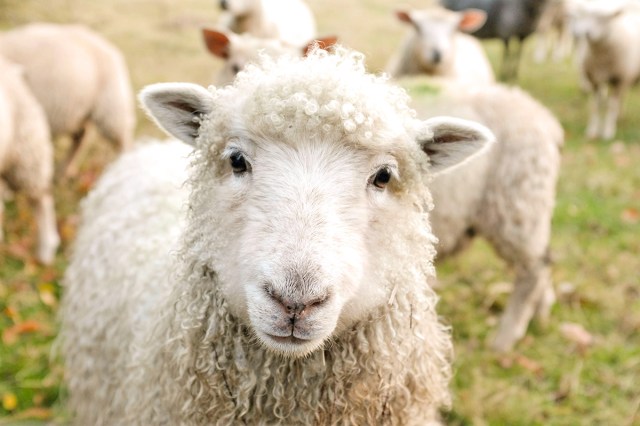
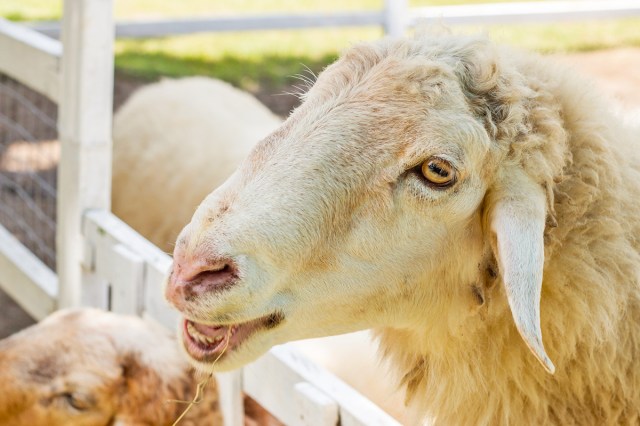
Sheep are fascinating animals. They’ve played a pivotal role in human history, from the early days of domestication to more recent scientific advances in the world of cloning. 

These woolly animals also boast unique genetic features, experience a complex range of emotions, and are just plain cute to boot. Here are six ewe-nique facts about sheep that will make you see them in a new light.

Credit: Heritage Images/ Hulton Archive via Getty Images

They Were Domesticated 10,000+ Years Ago

Sheep, along with goats, are believed to be the earliest livestock ever domesticated. This groundbreaking agricultural advancement occurred around 10,500 years ago in the Fertile Crescent region of Mesopotamia, an area that includes parts of modern-day Iran, Iraq, Turkey, and other countries. 

It’s theorized that domesticated sheep are genetically derived from the wild Asiatic mouflon and Bezoar ibex, which were selectively bred to produce a domesticated animal that could be farmed for its meat. This remained the primary purpose of sheep for millennia, as they weren’t selectively bred for wool until approximately 6000 BCE. 

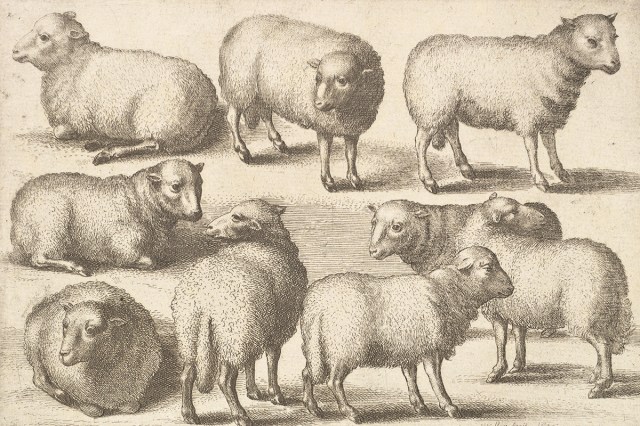
Prior to being selectively bred for their wool, early sheep were hairy (not fluffy), smaller than a typical sheep today, and sometimes had prominent horns. Sheep came to physically resemble the animals we know today no later than 3000 BCE, as evidenced by drawings from Mesopotamian and Babylonian art books of the era.

Domesticated sheep eventually migrated to other continents, making their way into Africa via the Sinai Peninsula between 7,575 and 7,075 years ago. Data shows domesticated sheep arrived in Europe via southwestern France by around 5000 BCE, and they were later brought to the Americas during Christopher Columbus’ second voyage in 1493.

Credit: tracielouise/ iStock

They Have Rectangular Pupils

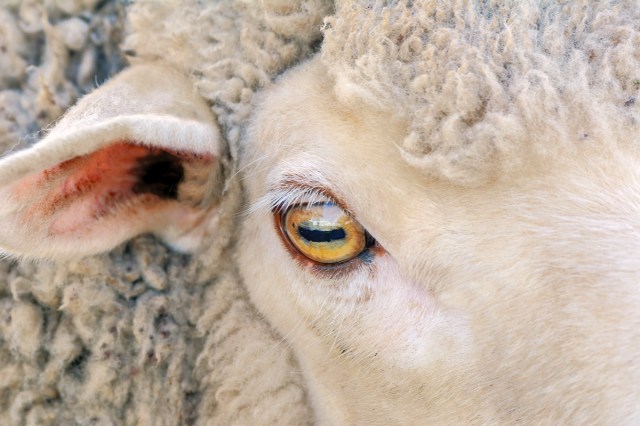
Unlike the circular pupils seen in humans and most animals, sheep’s pupils are rectangular (as are goat’s). This odd optical quirk actually functions as a useful defense mechanism: The horizontal pupils increase the animal’s peripheral vision. Most sheep can see 270-320 degrees horizontally — by comparison, humans with normal vision can only see about 160-180 degrees horizontally without moving their head. In practice, this greater field of vision allows sheep to easily spot potential predators while they have their heads down grazing in a field.

Sheep also experience a concept called “cyclovergence.” In layman’s terms, this means a sheep’s eyeballs can rotate to be parallel to the ground at all times, keeping their pupils horizontal instead of vertical. This is ideal for monitoring the surrounding environment, as sheep largely have to worry about predators running up on the ground and not diving down from above.

Credit: Maurice McDonald – PA Images via Getty Images

A Sheep Was the First Mammal Cloned From Adult Cells

Sheep have played an important role in the study of cloning, starting in 1984, when a U.K.-based research team cloned a sheep from an embryo cell. In 1995, researchers at Edinburgh’s Roslin Institute cloned two sheep named Megan and Morag, and six more sheep were cloned from embryonic and fetal cells the following year. 

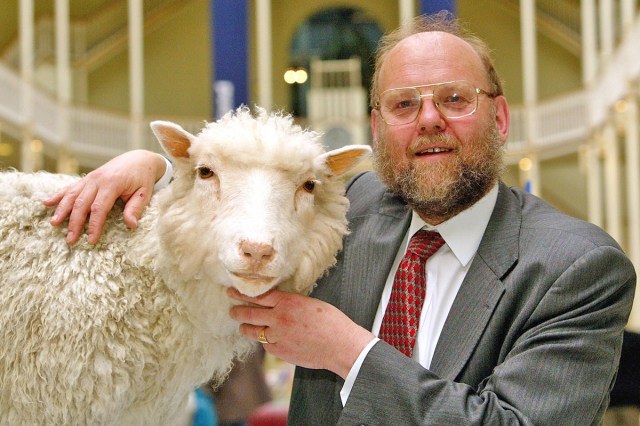
Using embryonic cells was thought to be essential at the time, as they contained all the genetic data necessary for creating a new creature. Then in 1996, the cloning world was turned on its head with the creation of Dolly the sheep, named after country music superstar Dolly Parton. Dolly was born at the Roslin Institute on July 5, marking the first time a mammal was successfully cloned using an adult cell instead of an embryonic one. 

Prior to this, researchers assumed adult cells only contained genetic data relevant to the part of the body it came from. But Dolly — who was created using a single adult mammary cell — proved that adult cells contain the necessary genetic data to produce an entire animal and not just one part of the body.

Credit: Sam Carter/ Unsplash

They Can Recognize Human Faces From Photographs

Sheep are highly perceptive creatures, so much so that they can recognize humans, even in images taken of the same person at different angles. 

In a 2017 study conducted by the University of Cambridge, researchers showed sheep pictures of various celebrities such as Barack Obama and Emma Watson. The animals were then shown the images alongside similar-looking people as well as images of the celebrities taken at various angles. In the end, the sheep were able to successfully identify the celebrity they’d been trained to recognize eight out of 10 times.

The study also showed that sheep could also recognize photographic portraits of their handlers compared to similar-looking strangers without any prior training.

Credit: kukiatB/ iStock

They Don’t Have Upper Front Teeth

In a dental sense, sheep are just about the opposite of beavers, as they lack upper front teeth. All told, sheep have eight incisors on the front lower jaw plus 24 molars, but nothing on the front and center of the upper jaw. 

Instead, sheep have a “dental pad,” which is a thick, tough, fibrous layer of tissue that helps them graze on forages such as grass and hay. When eating, sheep press their lower teeth against the dental pad to grip and sever blades of grass, which they then use their molars to grind down.

This trait is present in most ruminants — a suborder of mammals that includes giraffes and cows in addition to sheep. As sheep age, they tend to develop what’s known as a “broken mouth,” in which their lower incisors either bend or fall out. Even when that happens, sheep can use the hard gums on their upper and lower jaws to grip and eat grass and other nutritious fibers.

Credit: Joao Manita/ iStock

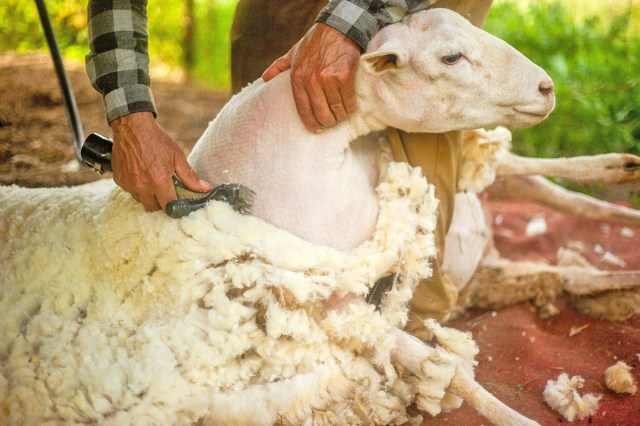
They Produce Up to 30 Pounds of Wool Annually

More than 1.7 million metric tons of shorn wool are produced worldwide each year, an estimated 90% of which comes from domesticated sheep, with animals such as goats, rabbits, and alpacas accounting for the remaining 10%. Wool-producing sheep also make up the vast majority of sheep species — roughly 90%.

The average wool-producing sheep produces just under 10 pounds of wool annually, which, according to the International Wool Textile Organization, equals enough material for six sweaters or enough fabric to cover a large sofa.

But beyond the average numbers, sheep can produce anywhere between 2 to 30 pounds of wool each year — a range that’s largely due to genetics, as some breeds produce more wool than others. For instance, Delaine Merino sheep are highly regarded for producing high-quality wool, and lots of it.

Bennett Kleinman
Staff Writer

Bennett Kleinman is a New York City-based staff writer for Inbox Studio, and previously contributed to television programs such as "Late Show With David Letterman" and "Impractical Jokers." Bennett is also a devoted New York Yankees and New Jersey Devils fan, and thinks plain seltzer is the best drink ever invented.

Original photo by Wirestock/ iStock

Have you ever wondered why food looks so much more appealing in commercials than it does in real life? The difference is largely due to the work of food stylists — professional chefs who cook for the cameras, whether in commercials, television shows, movies, or digital and print ads. 

Stylists have a wide range of tools in their arsenal to give on-screen dishes a visual boost — including sometimes using fake food. From painted hamburgers to ice cream that never melts, here are six fascinating techniques food advertisers use to make their dishes look irresistible.

Credit: simonkr/ iStock

Manufactured Grill Marks

Fast-food burgers may not live up to the expectations set by their advertisements, and that’s because those on-screen versions are often inedible. 

The production company The Garage revealed its secrets for creating mouthwatering burgers and other foods to Business Insider during a behind-the-scenes test shoot for Burger King. To create the perfect burger, food stylists start with a real patty, but that patty isn’t cooked on a traditional fast-food grill. 

First, it’s partially cooked in a skillet, leaving the inside raw to prevent shrinkage. A mixture of pulverized meat and Vaseline is used to fill any gaps in the patty. Then, to achieve a rich, grilled look, it’s painted with a mixture of gravy, darkener, and soap — though most food stylists use their own custom blend. 

Once the patty is the right color, grill marks are added using heated metal skewers to create perfectly spaced lines. When it’s time to add cheese, a clothes steamer provides the right amount of heat and moisture for a deliciously melted look. Finally, the burger is finished off with other toppings, all fixed together with denture cream for a picture-perfect shape.

Credit: Jeffrey A McDonald/ Adobe Stock

Carefully Engineered Cheese Pulls

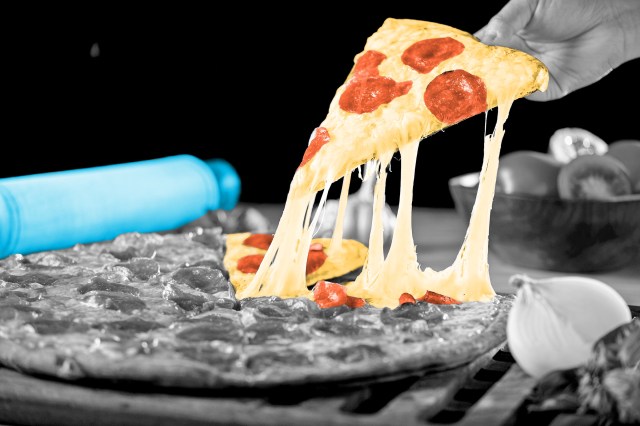
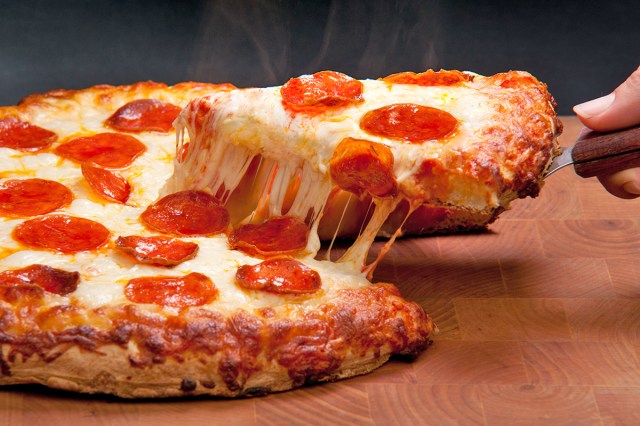
That gloriously gooey “cheese pull” you see in pizza commercials is no accident. Chef and food stylist Lish Steiling explained the mechanics of this effect to Vanity Fair using a Pizza Hut shoot as an example. And the process is quite different from the way a traditional pizza is made.

Food stylists begin by baking a plain pizza crust without any toppings before cutting it into the desired slice shapes for the shoot. Only after that do they add the toppings and cheese. This clever method prevents any cutting through the freshly melted cheese, which preserves that dramatic, satisfying stretch. 

Steiling emphasizes that the best cheese to use for this trick is fresh mozzarella, as pre-shredded cheeses contain anti-caking agents that can hinder the desirable look. As she explains, “It gives you that amplified stretch that you want in a commercial.”

And here’s another saucy secret: Paper towels are sometimes tucked between the tomato sauce and the cheese to prevent the sauce from leaking and ruining the cheese pull.

Credit: Sandor Mejias Brito/ iStock

Ice Cream That Never Melts

Ice cream can melt within minutes under hot studio lights, so savvy stylists have had to devise some clever, edible alternatives for this sweet treat. Food stylist Diana Jeffra, who specializes in commercials and food packaging, shared some of her top secrets with Good Morning America, including an interesting hack for creating “ice cream.”

Instead of racing against the clock, Jeffra buys production more time by using food products that don’t melt. She says, “Overall, I like to use real products and real food as much as I can, but sometimes you need to improvise.” Her recipe for creating a few perfect scoops of “ice cream” consists of two tubs of ready-made frosting and one pound of powdered sugar. The result is a creamy, scoopable texture that looks identical to real ice cream but holds its shape for hours.

Food stylists, including Jeffra, often need to replicate other tricky dairy products as well. Her faux chocolate milkshake, for instance, is made by mixing chocolate syrup and instant mashed potatoes. This thick mixture tricks viewers into believing they’re really looking at a delicious frosty milkshake on their screen instead of a rather unappetizing concoction of chocolate-flavored potatoes.

Credit: karimitsu/ iStock

Fruit Instead of Egg Yolks

Delicate foods are challenging to work with, especially on film; Hollywood food stylists not only need to prepare those foods, but they also must do so in large quantities due to the multiple takes required during filming. 

For example, in the horror movie Midsommar, chef and food stylist Zoe Hegedus had to create hundreds of dishes featuring egg yolks for an outdoor festival scene, but using real yolks posed several challenges. They dried out quickly under the hot sun, several cast members were also allergic to them. 

To mitigate those issues, Hegedus got creative by shaping a mixture of mango and orange into frozen spheres, which she then dropped into a special solution to form a thin membrane around them, replicating the glossy look of a real egg yolk. The difference between the real and fake yolks is undetectable on screen.

Another food styling trick Hegedus used during filming involved spraying a mixture of water and oil on foods, such as the vegetables and fruits surrounding the egg yolks in the festival dish, to help them appear fresher for longer —  a trick that’s a go-to for many food stylists.

Credit: LauriPatterson/ iStock

Cardboard Pancake Stacks

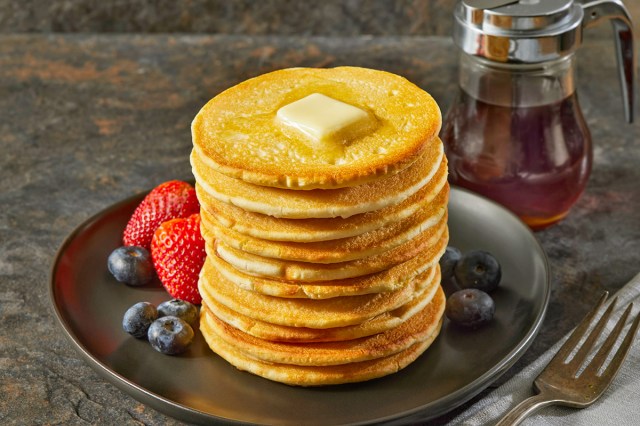
No one likes a mushy pile of pancakes, and writer and food stylist Lisa Bolton has shared some of her best tips for capturing the perfect stack. One particularly effective technique many food stylists use is layering with cardboard. 

Bolton recommends cutting small discs to place between each pancake (the trick also works for waffles and crepes) to create a perkier, sturdier stack. This method works best with cold pancakes, as hot foods tend to sag.

Bolton also suggests adding dry toppings such as powdered sugar, fruit, and nuts first. It’s best to wait to add wet toppings including syrup and whipped cream until just before shooting to avoid a melted, soggy mess.

Rachel Gresh
Writer

Rachel is a writer and period drama devotee who's probably hanging out at a local coffee shop somewhere in Washington, D.C.

Original photo by tonaquatic/ Adobe Stock

The digestive system is more than a collection of organs that turn food into fuel: It’s an elaborate, highly coordinated process that starts the moment you chew something and doesn’t finish until nutrients are absorbed and waste is cleared. 

From a rumbling stomach to the trillions of microbes living in your intestines, digestion affects everything from your mood to your concentration and overall health. Most of us likely only notice it when we’re hungry (or overstuffed), but there’s a lot going on under the surface. Here are seven surprising facts about the digestive system.

Credit: TopMicrobialStock/ iStock

The Brain and Belly Are in Constant Conversation

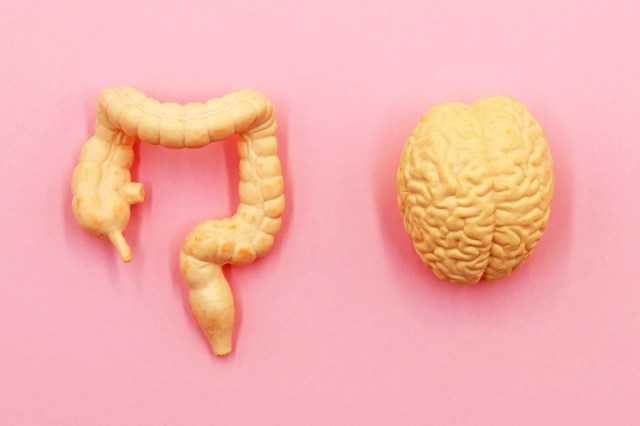
The gut isn’t called the “second brain” for nothing. Trillions of microbes live in the digestive tract, breaking down food, producing vitamins K and B, and supporting nutrient absorption. They communicate with the brain through the gut-brain axis, a network of nerves (such as the vagus nerve) and chemical messengers, including serotonin and its receptors in the gut. 

This bidirectional communication helps coordinate digestive activity, appetite, and even certain aspects of mood and behavior, which explains why your stomach may “flutter” when you’re nervous or why certain foods can affect how you feel. While the brain doesn’t control every gut movement, this system helps the digestive tract respond dynamically to both internal and external cues.

Credit: PeopleImages/ iStock

Stomachs Don’t Just Growl When You’re Hungry

Everyone has occasional hunger pangs, but to actually hear and feel your stomach growl is a whole other sensation. The same muscle contractions that move food through your gut while you’re digesting are also what cause that gurgling sound and feeling.

When your stomach is empty, your brain releases the appetite-stimulating hormone ghrelin. This tells the digestive muscles in the stomach and intestines to contract in waves, a process called peristalsis. Those contractions create the vibrations and rumblings you hear, made louder by the fact that the empty stomach means there’s nothing to muffle the sounds.

Contrary to popular belief, the noise doesn’t always signal feeding time; even a full stomach can growl as it churns and clears leftovers for the next meal. The rumbling sound — technically called borborygmi — comes from the Greek “borboryzein,” meaning “to rumble.” Unless it’s accompanied by unusual pain or bloating, borborygmi is a normal, healthy sign your digestion is working as it should.

Credit: seb_ra/ iStock

Stomachs Can Hold as Much as a 2-Liter Soda Bottle

This probably won’t come as a surprise if you’ve ever felt your pants get a bit more snug after a big meal, but the stomach is remarkably elastic and can expand to hold a lot of food. This is because its inner surface, the mucosa, is lined with folds called rugae that unfold and stretch out to accommodate food as it arrives. 

Adult stomachs start out folded up and roughly the size of a 16-ounce soda can. From there, the stomach can comfortably enlarge to hold about 1 to 2 liters of food and drink. If you picture that amount of sustenance as a 2-liter soda bottle, it sure doesn’t sound comfortable, but thankfully the stomach is able to slowly retract after digestion.

Credit: pocketlight/ iStock

We Swallow a Lot of Air 

There isn’t much you can do to avoid swallowing air — every bite or sip brings tiny pockets of it into your digestive system as you eat. Overall, the average person swallows up to 2 quarts of air every day. Some small amounts can actually aid digestion, but habits such as eating quickly, chewing gum, or drinking carbonated beverages make for a greater volume of swallowed air. So where does it all go? 

Most of the air makes its way to your stomach and leaves the body naturally through burping or flatulence. While most rumbles and bubbles are proof your gut’s digestive train is on track, too much air in the digestive system — called aerophagia — can cause bloating, discomfort, and excess gas. 

Credit: SewcreamStudio/ Adobe Stock

Intestines Are Impressively Long

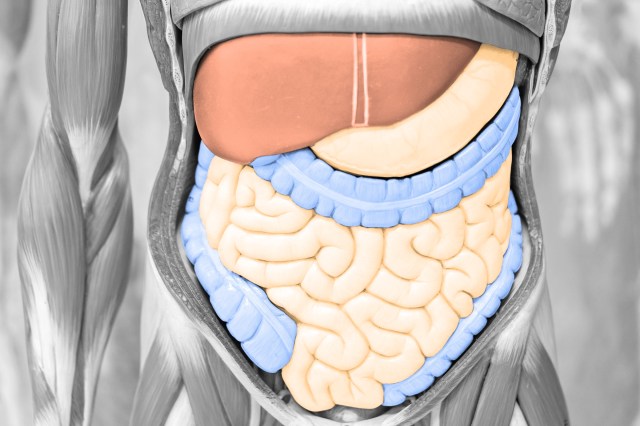
The digestive system starts at the mouth and ends where waste exits the body, but the vast majority of it is made up of the intestines. The small intestine alone can be as long as 25 feet, and the large intestine adds approximately another 5 feet. Stretched out straight, that’s around the same length as an average school bus — just all coiled up and tucked out of sight inside your abdomen. 

The small intestine does most of the work when it comes to breaking down food and absorbing nutrients, using its folds and tiny finger-like projections, called villi, to capture as much fuel for your body as possible.The large intestine then absorbs water and minerals while converting what’s left into solid waste. The intestines, particularly the small one, are workhorses, constantly moving food along, mixing it with digestive juices, and making sure your body gets everything it needs from what you’ve consumed.

Credit: Science Photo Library/ iStock

The Stomach Lining Is Always Renewing Itself

Digestive acids are powerful — so powerful that if your stomach didn’t protect itself, it could start dissolving its own tissue. To prevent this, the stomach lining, called the epithelium, is in a continuous state of renewal. And the turnover is pretty rapid: Cells regenerate every three to four days, ensuring the stomach can withstand the corrosive effects of the 3 to 4 liters of hydrochloric acid and digestive enzymes it produces every day. 

Even with the constant regeneration, the acids that break down proteins and aid nutrient absorption can be strong enough to start eroding the stomach tissue. Some factors can exacerbate this, such as excessive alcohol or pain reliever use, certain bacterial infections, and chronic stress.

Credit: Ratchat/ iStock

We’re Not Born With the Healthy Bacteria Needed for Digestion

Babies enter the world free of worry and responsibility — and also free of a fully formed digestive system. Newborns are largely devoid of bacteria and other microbes essential for digestion and health. Their gut microbiomes first begin forming as they pick up bacteria in the birth canal, then continue to grow and diversify through exposure to breast milk, formula, and their environment. (Babies born by caesarean section get their first dose of bacteria in other ways, primarily from skin-to-skin contact and feeding.)

By the time a child is about 3 years old, the microbiome has become more diverse and stable, playing a key role in lifelong digestive health. This process highlights just how dependent humans are on our microbial communities: Digestion isn’t purely mechanical, but rather a cooperative effort between your body and the trillions of tiny organisms that call your gut home.

Nicole Villeneuve
Writer

Nicole is a writer, thrift store lover, and group-chat meme spammer based in Ontario, Canada.

Original photo by vgabusi/ iStock

Most of us grow up knowing the basics of our genealogy: our parents, grandparents, and siblings, plus aunts, uncles, and cousins. But once the conversation turns to “second cousins” or “first cousins once removed,” it’s easy to get lost.

Despite how confusing it may sound, cousin designations follow a logical pattern. Each label, whether it’s first cousin or third cousin twice removed, marks your place on a family tree and shows how you and another person can trace your lineage back to a shared ancestor. Let’s break it down.

Credit: RossHelen/ iStock

Second Cousins

Many of us have one or more first cousins, though you may rarely use the term “first” when referring to them. These are the children of your parents’ siblings, aka your aunts and uncles. You share a set of grandparents with these cousins, and because you’re generally in the same generation, they’re usually also the cousins you know best. First cousins often grow up alongside us, close in age and in experience, and can even sometimes feel almost like brothers and sisters.

Second cousins can also be in the same generation as first cousins, but they’re separated by one step. Rather than being the children of your parents’ siblings, they’re the children of your parents’ first cousins. So you and your second cousins share the same great-grandparents, but not the same grandparents. For example, if your grandmother’s sister has grandchildren, those grandchildren are your second cousins.

A handy way to keep this straight is to think of the number preceding “cousin” as pointing to the generation of grandparents the cousins share. First cousins connect at grandparents and second cousins connect at great-grandparents. From there, the pattern continues upward.

Credit: B-C-Designs/ iStock

Third, Fourth, and Fifth Cousins

Once you understand second cousins, the rest is relatively easy to follow. Third cousins share great-great-grandparents and are the great-grandchildren of siblings. Fourth cousins share great-great-great-grandparents, and fifth cousins share great-great-great-great-grandparents. With each generation back, you add one more “great” to the ancestor you share.

As the generations multiply, the number of possible cousins expands dramatically. By the time you reach fourth and fifth cousins, you may have hundreds — even thousands — spread across regions or countries. That’s because your family tree grows exponentially: Each generation back doubles your number of ancestors, so you have 16 great-great-grandparents, 32 great-great-great-grandparents and 64 great-great-great-great grandparents, each potentially linking you to many different family branches. 

Credit: monkeybusinessimages/ iStock

What “Once Removed” Means

The other piece of cousin terminology that causes confusion is the word “removed,” a term that signifies the number of generations that separate cousins. If someone is your cousin “once removed,” that means they’re one generation above or below you. 

For example, your mother’s cousin is your first cousin once removed, but your cousin’s child is also your first cousin once removed. In one case the person is a generation older, in the other a generation younger, but in both cases “removed” marks that generational gap.

If the gap in question spans two generations, that cousin is “twice removed.” For example, your grandmother’s cousin is your cousin twice removed. In theory, the “removed” label can continue indefinitely — three times removed, four times removed, and so on.

Credit: mihailomilovanovic/ iStock

Cousins Can Have Very Little Shared DNA

There’s no limit to how distantly related two people can be and still count as cousins. As long as they both share a common ancestor, however far back, they’re cousins to some degree. Genealogists and ancestry software can identify cousin relationships into the teens — so you may be able to trace links to 10th cousins, 12th cousins, and even 19th cousins.

What changes when we get higher up into our family trees is the closeness of the genetic connection. While full siblings share 50% of their DNA, first cousins share only about 14.4%, second cousins share just 3.4%, and third cousins share less than 1%. By the time you reach fifth cousins, the overlap is tiny and may not even appear in a DNA test, making genealogical records important for tracing connections.

Credit: Alexey Avdeev/ iStock

Cousin terminology can seem complicated — especially as these relationships become increasingly separated from us by numerous sets of grandparents and multiple generations. But these distinctions have long clarified inheritance and marriage rules, and today they help genealogists trace family networks across large swaths of history.

For most of us, though, it’s about connection: Second cousins and first cousins once removed can still be close enough to share family stories and give us insight into relatives we may have never met. And even those distant cousins, the ones we only know by the names inked in family records or online genealogy resources, are reminders of how families endure and how, in many ways, we are all connected.

Kristina Wright
Writer

Kristina is a coffee-fueled writer living happily ever after with her family in the suburbs of Richmond, Virginia.

Original photo by Emre Akkoyun/ Adobe Stock

When it comes to superstitions, few things are more potent than numerology. Numbers possess extraordinary power across human cultures, going beyond their mathematical functions to become symbols of fortune, misfortune, and divine meaning. These beliefs may have no basis in science or even logic, but they nonetheless shape daily decisions around the world, whether it’s selecting wedding dates, pricing products, choosing lottery numbers, or skipping entire floors when constructing a building.

Here are some lucky and unlucky numbers from cultures across the globe, along with the reasons behind their supposed numerical powers. 

Credit: eugen/ Adobe Stock

The Number 3

The number three holds special significance across many cultures around the world, typically representing positive outcomes such as luck, balance, or divine perfection. But why three? There are several different explanations, from the ancient belief in the geometrical balance of triangles to the religious concept of the Holy Trinity. 

In Christian doctrine, the trinity is the unity of Father, Son, and Holy Spirit as three divine persons. The number is also found in other world religions. In Hinduism, for example, the Trimurti refers to the triad of deities Brahma, Vishnu, and Shiva. In Kabbalah, the Supernal Triad refers to the top three sefirot, or spheres of emanation, on the Tree of Life. 

Apart from geometry and religion, it seems humans have a psychological affinity for the number three — possibly because it’s the smallest number required to create a pattern. For all these reasons, things often seem to come in trios in popular culture: three wishes, three little pigs, three bears, and “third time’s a charm.” 

Credit: Savvapanf Photo/ Adobe Stock

The Number 4

In Western cultures, the number four has a reputation for practicality and order. There are the four elements (earth, air, fire, and water), four seasons, four points of the compass, and four phases of the moon. It’s a solid number but not generally considered either lucky or unlucky. 

In parts of Asia, however, the story is very different. Tetraphobia — the fear or avoidance of the number four — is a superstition prevalent in East Asian countries including China, Vietnam, Japan, Korea, and Taiwan. In those countries, the number four has a phonetic similarity — and is sometimes identical to — the word for “death.” 

That linguistic coincidence has created such strong superstitions that many East Asian buildings omit fourth floors, hospitals avoid rooms numbered four, and gift-giving involving four items is considered inappropriate. The fear of four is taken even more seriously than the unlucky number 13 in Western cultures; for anyone doing business in Asia, tetraphobia is a genuine concern that needs to be considered and respected. 

Credit: KanawatTH/ iStock

The Number 8

In China, the antidote to the noxious number four is the lucky number eight. In Mandarin Chinese, the pronunciation of number eight () sounds very similar to a word meaning “wealth” or “prosperity” (). 

That phonetic connection has made eight the luckiest and most coveted number in Chinese society, influencing everything from business decisions to architecture and major life events. It’s no coincidence that the opening ceremony for the 2008 Beijing Olympics began at precisely 8:08:08 p.m. on 8/8/08. 

Credit: baona/ iStock

The Number 13

You’re probably aware that 13 is the most famous unlucky number in Western culture. Fear of the number — known as triskaidekaphobia — is commonplace across Europe and the Americas, where some office buildings skip the 13th floor, airlines often omit row 13, and some people even avoid scheduling activities on the 13th day of the month (particularly Friday the 13th). 

The origin of 13’s unlucky reputation is still debated, but two theories tend to prevail. Christian tradition points to the Last Supper, where 13 people were present before Jesus’ crucifixion — with the traitorous Judas Iscariot the 13th to be seated. Norse mythology, meanwhile, tells of a dinner party of 12 gods disrupted by the trickster Loki —the 13th guest — leading to the death of Balder, the god of light, beauty, and goodness. 

Interestingly, 13 is sometimes considered lucky in Italy, contrary to most Western cultures. This is due to the number’s association with the once-popular Italian soccer betting game, Totocalcio, in which players tried to predict the outcomes of 13 soccer matches to win big prizes. 

From this game came the Italian phrase fare tredici, meaning “to make thirteen,” the equivalent of the English phrase “hitting the jackpot.” Because of this, some Italians, especially older generations, still consider 13 a lucky number. The number 13 also has a positive connotation in Italian Catholic tradition due to its association with the Virgin Mary, who’s sometimes referred to as Maria tredicenne, or “Mary the 13-year-old.”

Credit: oyaboya/ iStock

The Number 17

For Italians, the big number to avoid is 17. This superstition likely dates back to ancient Rome and, more specifically, Roman numerals. The Roman numeral XVII can be rearranged to spell “VIXI,” which is Latin for “I have lived.” The phrase implies that one is now dead, hence the connotation with bad luck and the fear of the number 17, known as heptadecaphobia

As with the number 13 in other countries, some Italian buildings skip the 17th floor, while superstitious Italians avoid making important plans on the 17th day of the month. And Friday the 17th holds the same dread in Italy that Friday the 13th holds elsewhere in the Western world.

Credit: Yehoshua Halevi/ iStock

The Number 18

In Jewish tradition, 18 represents chai, the Hebrew word for “life,” making it one of the most auspicious numbers in Jewish culture. This significance comes from Hebrew gematria, in which letters have numerical values assigned to them, and the letters forming chaichet (8) and yud (10) — total 18. Because of its status as a lucky number, amounts in multiples of 18 are often given as charitable donations and as gifts at weddings and bar mitzvahs. 

Tony Dunnell
Writer

Tony is an English writer of nonfiction and fiction living on the edge of the Amazon jungle.

Original photo by Sipa USA/ Alamy Stock Photo

No matter how old you are, it’s never too late to make it big. While success and fame are commonly associated with youth, some people are proof you should never be discouraged from following your dreams — at any age. Making bold choices and taking on new adventures later in life can pay off in a major way, as these success stories show us.

Plenty of actors, artists, authors, and other celebrities spent decades trying to break through before finally earning a spot in the limelight, while others achieved fame by taking a leap of faith and making career or lifestyle changes later in life. Here are eight such inspiring stories.

Credit: Bonnie Schiffman Photography/ Archive Photos via Getty Images

Julia Child

When you think of celebrity chefs, Julia Child is likely at the top of the list. Yet her path to culinary stardom wasn’t always obvious. She was born Julia McWilliams in 1912 and worked in advertising and journalism earlier in her career; she even worked as an intelligence officer in World War II. 

After the war, she married diplomat Paul Cushing Child, whose work took the couple to France in 1948. Not much of a cook when she arrived, Child was enamored by the art of French cuisine and began to cook more frequently. She opened a cooking school in 1951 and published her seminal cookbook Mastering the Art of French Cooking in 1961 — the year she turned 49 years old.

While this cookbook definitely grabbed the attention of the public, it was Child’s TV show that propelled her to true fame. The Childs returned to the U.S. in the early 1960s, and a pilot of a program called The French Chef aired on July 26, 1962. The TV series became a regular program on February 11, 1963, with a 50-year-old Julia Child as the full-time host. 

The French Chef was broadcast into U.S. living rooms from 1963 to 1973, earning a 1965 Peabody Award and a 1966 Primetime Emmy. Child continued to have an indelible impact on the American culinary scene throughout her 60s, 70s, and 80s before passing away in 2004 at the age of 91.

Credit: Jeff Kravitz/ FilmMagic via Getty Images

Christoph Waltz

With multiple Oscars, Golden Globes, and BAFTAs to his name, Christoph Waltz has become one of the most accomplished actors of the 21st century. But Waltz’s fame wasn’t always a sure thing. His first screen acting credit was the 1976 German TV movie Der Vetter im 7. Bezirk, and he spent decades as a little-known actor in Germany before his big break. 

Then in 2009, a 52-year-old Waltz appeared as Colonel Hans Landa in the Quentin Tarantino film Inglourious Basterds. His happenstance audition arguably saved the production, as Tarantino had been ready to table the film if he didn’t find someone suitable to play this pivotal character. 

The role changed the trajectory of Waltz’s career. His sadistic performance garnered international acclaim, earned him his first Academy Award, and transformed him into one of Hollywood’s most desirable talents. He has since starred in several major blockbusters, including 2012’s Django Unchained as well as two movies in the James Bond franchise — 2015’s Spectre and 2021’s No Time To Die.

Credit: PhotoQuest/ Archive Photos via Getty Images

Grandma Moses

Born Anna Mary Robertson in 1860, the artist later known as Grandma Moses spent much of her life as an undiscovered talent. Robertson always had a penchant for art, though her only drawing supplies as a young child were objects such as twigs and grass. At the age of 12, she left home to work for a wealthy family, who provided her with wax crayons and chalk to draw. 

In her 20s, she married Thomas Salmon Moses, and the couple eventually moved to New York where they purchased a farm of their own. In her downtime, she kept herself entertained by making needlework pictures and quilts. But in her 70s, a painful bout of arthritis left her unable to embroider.

At the suggestion of some friends, Moses pivoted to painting, which she could still do with arthritic hands. The septuagenarian began painting colorful depictions of rural farm life that caught the eye of New York-based art collector Louis J. Caldor, who helped her showcase her works in a 1939 exhibition at the Museum of Modern Art titled “Contemporary Unknown American Painters.” 

Before long, Moses found herself at the top of the contemporary American art scene, and the press helped popularize the nickname “Grandma Moses,” based on a sobriquet she went by among friends. Moses exhibited her paintings into her 90s and painted into her 100s before passing away at the age of 101.

Credit: Bettmann via Getty Images

Colonel Harland Sanders

Few people in the fast-food world are more recognizable than Colonel Sanders — the face of Kentucky Fried Chicken clad in an all-white suit and a white goatee to boot. But before KFC’s success, “the Colonel” was merely Harland Sanders: a struggling yet determined businessman looking to make a living. 

Born in 1890, Sanders left home at age 13 to paint horse carriages and later worked as a train conductor, practiced law, sold life insurance, ran a ferryboat company, and manufactured lamps — none of which panned out in the long run. Then in 1930, at age 40, Sanders took over a service station in Corbin, Kentucky. He renamed it “Sanders’ Servistation and Cafe” and began selling the type of fried chicken he’d grown up eating. 

Travelers loved this, and Sanders realized fried chicken may be his ticket to success. He perfected his recipe in 1939, though as the story goes, he was rejected by 1,009 restaurants while trying to sell that recipe door-to-door. 

But in 1952, a man named Pete Harman opened the very first KFC franchise in South Salt Lake, Utah, after agreeing to buy the secret recipe. Sanders was 62 years old — and the Kentucky Fried Chicken brand only grew from there. 

In 1974, Sanders sold KFC to a management company, though he remained the public-facing spokesperson until his death in 1980. His name and visage, which still appears on the restaurant’s branding, soon became known in households across the country.

Credit: Stephane Cardinale/ Corbis Entertainment via Getty Images

June Squibb

Though she’s now considered a leading lady in Hollywood, June Squibb wasn’t a household name until her 80s — roughly six decades into her career as a performer. Squibb moved to Cleveland in her early 20s to pursue a career in theater, and decades later, in her 60s, she broke into screen acting with her first movie credit in the 1990 comedy Alice. In one of her most notable roles, she appeared as Jack Nicholson’s wife in 2002’s About Schmidt

But Squibb’s big break didn’t come until 23 years after her film acting career began. At age 84, she played the role of Kate Grant in Nebraska, which earned her an Oscar nomination for Best Supporting Actress — and put her on the radar of casting agents across Hollywood.

Squibb has since appeared in several major TV series such as The Big Bang Theory and Grey’s Anatomy, and she lent her voice to characters in Toy Story 4, Soul, and Inside Out 2. In 2024, at the age of 94, she received her first-ever cinematic top billing as star of the action comedy Thelma.

Credit: Walter McBride/ WireImage via Getty Images

Joy Behar

Joy Behar is a comedian and actress best known for her role as a co-host of The View. But despite entering into comedy in her late 30s, it wasn’t until her mid-50s that Behar became a household name. 

In a 2010 interview with Parade, Behar explained that she decided to start a stand-up comedy career at age 39, saying, “I was broke after my divorce, and … I got fired from my day job.” She also spent the 1980s working as a receptionist and later a producer on Good Morning America.

Behar pivoted into screen acting in the late ’80s, appearing in the short-lived sitcom Baby Boom and the 1993 comedy Manhattan Murder Mystery. She also began taking on sporadic hosting gigs, which earned her a spot on The View during its debut season in 1997, when she was 54. 

At first she was hired as a fill-in for Barbara Walters, but she soon became a permanent panelist and fan favorite. Today, Behar is the only original panel member still on The View, which has earned 31 Emmys during that time, including the 2003 Emmy for Outstanding Talk Show.

Credit: Bettmann via Getty Images

Ray Kroc

Colonel Harland Sanders isn’t the only late bloomer in the fast-food industry — there’s also Ray Kroc, the man behind the success of McDonald’s. Kroc was born in 1902 and explored several potential careers in early adulthood, none of which stuck. He worked as a pianist, musical director, and real estate salesman before going into business with a man named Earl Prince in 1939. Prince had invented a machine he called a “Multimixer” to speed up milkshake production by making five of the frozen dairy desserts at once, and Kroc became his exclusive distributor.

In 1954, at the age of 52, Kroc visited a restaurant in San Bernardino, California, in the hopes of selling a few Multimixers. The restaurant was run by brothers Richard and Maurice McDonald. Impressed by the eatery’s efficiency, Kroc worked out a deal to become the business’ franchising agent. In April 1955,  Kroc opened the very first McDonald’s restaurant east of the Mississippi River in Des Plaines, Illinois. He was 52 years old.

In 1961, at the tail end of his 50s, Kroc became sole owner of McDonald’s. The business mogul then quickly expanded the brand across the country, and both McDonald’s and Kroc himself became household names. Kroc served as McDonald’s CEO from his mid 60s until age 70, before retiring and purchasing baseball’s San Diego Padres. He spent his 70s serving as their owner until his death in 1984 at the age of 81.

Credit: Bettmann via Getty Images

Laura Ingalls Wilder

Today, Laura Ingalls Wilder is celebrated for her Little House on the Prairie series — a classic work of children’s fiction. However, those books weren’t published until late in the author’s life. 

Wilder was born in 1867 and spent her childhood years moving about the American frontier, living in areas such as Iowa, Kansas, Minnesota, Missouri, the Dakota Territory, and the Indian Territory located in modern Oklahoma. After working as a teacher starting in 1882, she pivoted to writing around the age of 44, penning several agricultural articles for the Missouri Ruralist, McCall’s Magazine, and The Country Gentleman — though none thrust her into the national limelight.

In 1931, Wilder completed a draft of a memoir about her early childhood experiences titled Pioneer Girl. While it wasn’t published until 2014, publishers at the time advised Wilder to adapt the story into a work of fiction — thus the Little House series was born. 

The first book, 1932’s Little House in the Big Woods, came out the same year Wilder turned 65. In total, eight novels in the series were published throughout Wilder’s late 60s and early 70s.

Bennett Kleinman
Staff Writer

Bennett Kleinman is a New York City-based staff writer for Inbox Studio, and previously contributed to television programs such as "Late Show With David Letterman" and "Impractical Jokers." Bennett is also a devoted New York Yankees and New Jersey Devils fan, and thinks plain seltzer is the best drink ever invented.

Original photo by: Artem Ermilov/ iStock

Perfect pitch (or absolute pitch, as it’s formally known) is the rare ability to identify or reproduce a musical note without any external reference. Imagine hearing a single note on a piano and instantly knowing it’s a C-sharp, or whistling “Happy Birthday” in the exact intended key without a musical instrument or pitch pipe nearby. It’s a skill that fascinates musicians and nonmusicians alike, partly because it seems almost magical, and partly because fewer than one in 10,000 people possess this rare gift. 

For centuries, musicians and theorists have debated whether perfect pitch is a natural gift, a learned skill, or a mix of both. Historical accounts, including letters from classical composers, suggest some musicians were identified as child prodigies precisely because of their uncanny ability to instantly recognize notes. 

Mozart, Beethoven, Chopin, and Bach are often cited as having had perfect pitch, although documentation about their pitch abilities is mostly anecdotal. And perfect pitch does appear to have a genetic component: Studies show identical twins are more likely to share absolute pitch abilities than fraternal twins.

So what exactly causes perfect pitch? And just how prevalent is it? Let’s take a closer look at this unusual and fascinating ability. 

Credit: AnnaStills/ iStock

It’s a Combination of Nature and Nurture

Despite the genetic link, perfect pitch isn’t just a naturally inherited trait. Early musical training plays an important role in honing the skill, especially for children exposed to musical instruction before age 6. Research suggests the brain is particularly receptive to auditory patterns during this period, allowing young learners to encode pitch information in a way that sticks for life. 

Children who start music lessons after 6 rarely develop perfect pitch, even if they’re highly talented. This is one reason why perfect pitch is so uncommon — most people don’t receive the necessary musical training at such an early age.

Interestingly, perfect pitch is not evenly distributed across cultures or languages. Studies have found higher prevalence in speakers of tonal languages, such as Mandarin or Vietnamese, compared to speakers of nontonal languages such as English. 

In tonal languages, subtle pitch differences can change the meaning of a word, which means the brain may become more attuned to auditory distinctions early in life. This suggests perfect pitch may not be entirely about music — it may also reflect a heightened sensitivity to sound that’s supported by both language and environment.

Credit: eli_asenova/ iStock

It Starts in the Brain

Neurologically, perfect pitch is associated with distinct brain structures. Imaging studies have found differences in the auditory cortex of people with absolute pitch, particularly in areas responsible for processing tone and pitch memory. The brains of people with absolute pitch often show stronger connections between the auditory and memory regions, which may help people better retain and recall precise pitch information. 

However, perfect pitch doesn’t necessarily mean better musicianship overall. Many skilled musicians have relative pitch — a similar but more flexible ability to recognize intervals and harmonies — but not absolute pitch. In fact, some experts argue relative pitch is more valuable for composition, improvisation, and ensemble performance because it relies on context rather than memorization of individual notes.

Perfect pitch also has its quirks. Some musicians with absolute pitch report challenges in certain situations, such as transposing music or adapting to instruments tuned differently from the standard pitch. Their brains are so finely attuned to exact frequencies that even minor deviations can throw them off.

Credit: IPGGutenbergUKLtd/ iStock

It Requires the Perfect Combination of Factors

So why do only some people have perfect pitch? Genetics, early musical exposure, language environment, and brain wiring all play roles, but the interaction between those factors is complex. Some researchers believe a person must inherit a predisposition for heightened pitch sensitivity and then receive early, structured musical training to fully develop absolute pitch. Without either component, perfect pitch may never emerge.

Because it’s so rare, people often imagine perfect pitch as a sign of genius that sets certain musicians apart. While it can certainly enhance some aspects of musical performance, it’s not a prerequisite for musical success. In fact, some of the greatest composers in history — including Leonard Bernstein, Tchaikovsky, and Wagner — didn’t have it.

There’s also debate about whether perfect pitch can be learned later in life. Some adult learners claim to have developed absolute pitch through intensive practice or software-based training. 

And while there’s some evidence that adults can improve their pitch identification skills, most studies indicate that accurate, effortless perfect pitch is extremely difficult to acquire after childhood. The brain’s auditory pathways become less malleable over time, meaning later attempts to train the brain through concerted effort rarely reach the level of natural absolute pitch.

So yes, perfect pitch is a rare but very real trait. Beyond the fascination it inspires as a musical curiosity, it offers an intriguing look at the intersection of biology, culture, and human potential, reminding us that the way we hear the world can be as unique as the music we create within it.

Kristina Wright
Writer

Kristina is a coffee-fueled writer living happily ever after with her family in the suburbs of Richmond, Virginia.